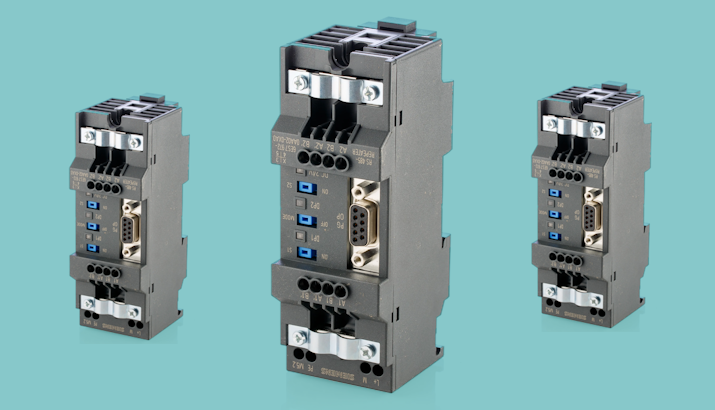
We are constantly faced with comments about Profibus network problems where the consensus is pure frustration.
Helping out with different industries, ranging from precious metals to tissue paper, we have found common issues that if corrected and avoided, all problems fade away.
Some of the issues we have found
- Lack of respect for the technology
Managers don’t understand the skill requirements needed to successfully troubleshoot and maintain a Profibus network. It is a common occurrence to find unrealistic expectations of staff who have never had any formal training on how the technology works.
They are expected to know the ins and outs of Profibus and this is an unfair expectation. The network runs and may be easy to maintain, but if a problem arises, there is no way for the responsible parties to perform their required tasks.
- Rules are stretched until broken
We also hear the statement “But the network has been running and stable for the last 2 years, why is it breaking now?” almost every time someone tries to upgrade their network. We then also hear them say in the next breath that the network trips every 12 hours or once a week. What people don’t understand is that a working network does not indicate a healthy network.
A healthy network never trips because of the fieldbus, it may trip because of interlocks, but the fieldbus should be completely stable. A network that keeps tripping indicates an unhealthy network and raises issues in the way that the Profibus rules have been implemented. If the rules are followed, then 90% of the possible issues can be removed immediately.
- The lack of preventative maintenance
We also find that once a network is up and running, the network maintenance plan goes out the window, and when things go wrong there is nothing in place to mitigate the effects. This is when things go really bad because it becomes an emergency to get things up and running again. If there is a simple procedure in place that makes people aware of the things that need to be done in the event of a failed network, then the whole process is controlled, rather than chaos.
I have touched on a few concepts that don’t necessarily solve any of your problems right away, but hopefully, if you are reading this and you find yourself in the situations I have described, then you are a few steps away from solving your network issues.
We provide audits and callouts for those unforeseen issues, and we also provide internationally certified training on the current Profibus technology to get people up to speed so that the mystery of Profibus is unlocked.
Whether you are based in South Africa, or we have to travel outside of the country to Ghana, Namibia, Botswana, or Zambia (to name a few of the countries we have travelled to) we are keen to help solve your problems.